
How to Check Criminal History in Sevier County
No single office produces a complete Sevier County criminal record. Begin with the event and the answer you need. A current jail stay belongs with the Sevier County Jail. An officer narrative belongs with the agency that made the arrest. Filed charges, hearings, pleas, and judgments belong with the correct court. A fingerprint-linked Utah compilation of your own history comes from the Utah Department of Public Safety, Bureau of Criminal Identification, known as BCI.
Use a full legal name and any known spelling variants. A date range, case number, booking number, court location, or arresting agency can separate people with similar names. Then follow the record forward until the source shows the result, since an intake charge can change before a prosecutor files it.
- Identify whether the fact concerns an arrest report, jail booking, court case, state history, or corrections status.
- Search Utah Xchange for a filed case, or use the courthouse terminal when a subscription is not practical.
- Use the official inmate search or call the jail for present Sevier County custody.
- Ask the arresting agency for its report and current GRAMA request method.
- Order a certified court copy or your own BCI record when an official document is needed.
Federal matters stay outside Utah Xchange. PACER holds federal court dockets, the Federal Bureau of Prisons locator covers federal custody, and an FBI Identity History Summary is a separate fingerprint-based self-review product.
No One-Click Sevier County Record
A common search mistake is expecting one Sevier County criminal history result to contain the officer report, booking, filed case, conviction, and later supervision. Each is made at a different point. The sheriff or city officer writes the report. Jail staff create an intake record. The County Attorney decides what charge to file. Court staff enter the case into CORIS, which supplies Xchange. BCI receives fingerprint-supported events and later dispositions, while the Utah Department of Corrections keeps state custody, probation, and parole status.
The split can explain an apparent conflict. A jail booking may show an allegation that was reduced or never filed. Xchange can show a disposition that has not yet reached a repository record. A person may leave the county jail search after release or transfer while the court case remains open. Treat each source as one layer, then compare dates, agency names, charge statutes, and case numbers.
| Need | Start here | Best fallback |
|---|---|---|
| Present custody | Sevier inmate search | Jail line, 435-896-2660 |
| Officer narrative | Arresting agency | Written GRAMA request |
| Filed case outcome | Utah Xchange | District or justice court counter |
| Own Utah history | BCI application | BCI counter or mailed request |
| State supervision | UDC Offender Search | UDC or AP&P contact |
Official Utah Background Checks
Utah does not provide an unrestricted BCI name search for the general public. A person reviewing their own Utah criminal history uses BCI's right-of-access process. The current application requires fingerprints, a copy of government photo identification, and a $20 fee. It may be completed at BCI in Taylorsville or mailed under the posted instructions. BCI sends the report by mail and does not fax or email it.
The BCI own-record instructions show the official route and current identity rules.
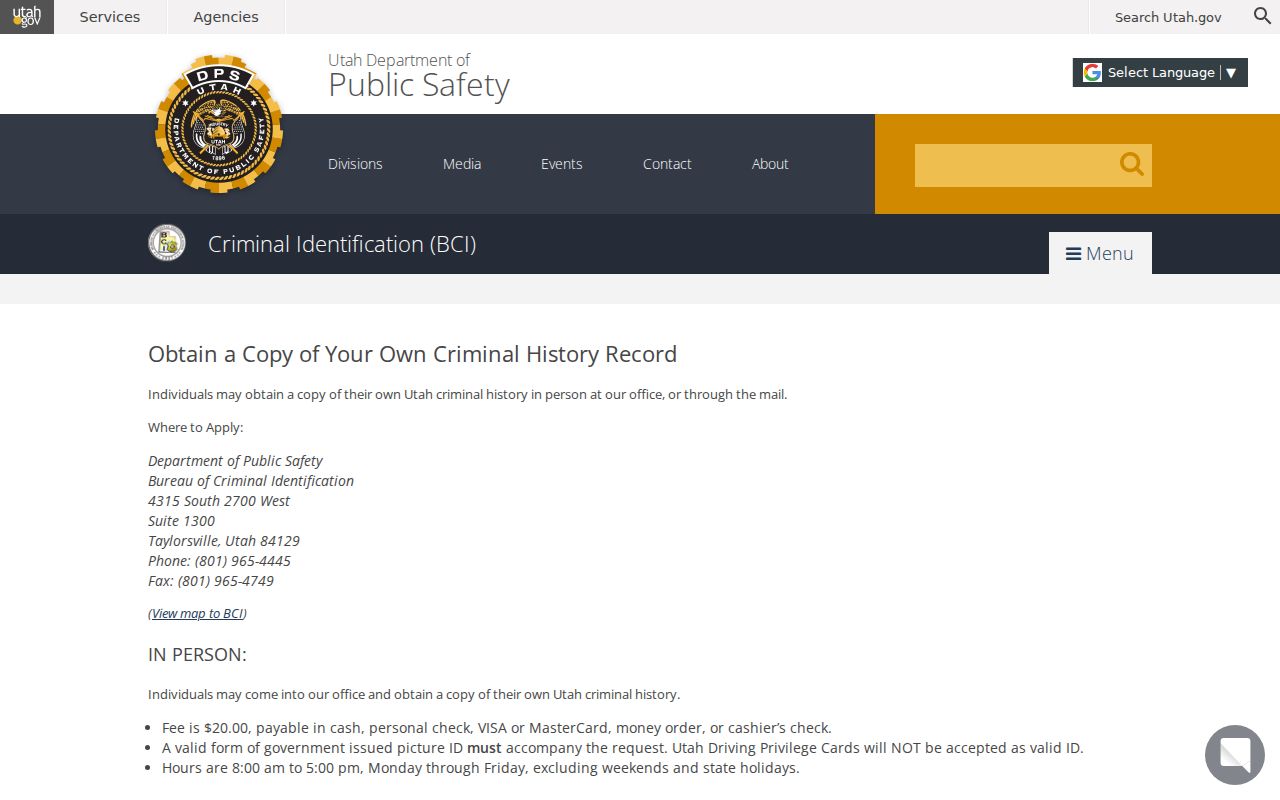
This BCI process compiles reported Utah events tied to the subject's fingerprints. It does not replace the Sevier County court file, the arresting officer's narrative, or a federal record.
For a national self-review, the FBI Identity History Summary uses fingerprints through its electronic ordering channel. The FBI electronic ordering portal explains payment and fingerprint submission.
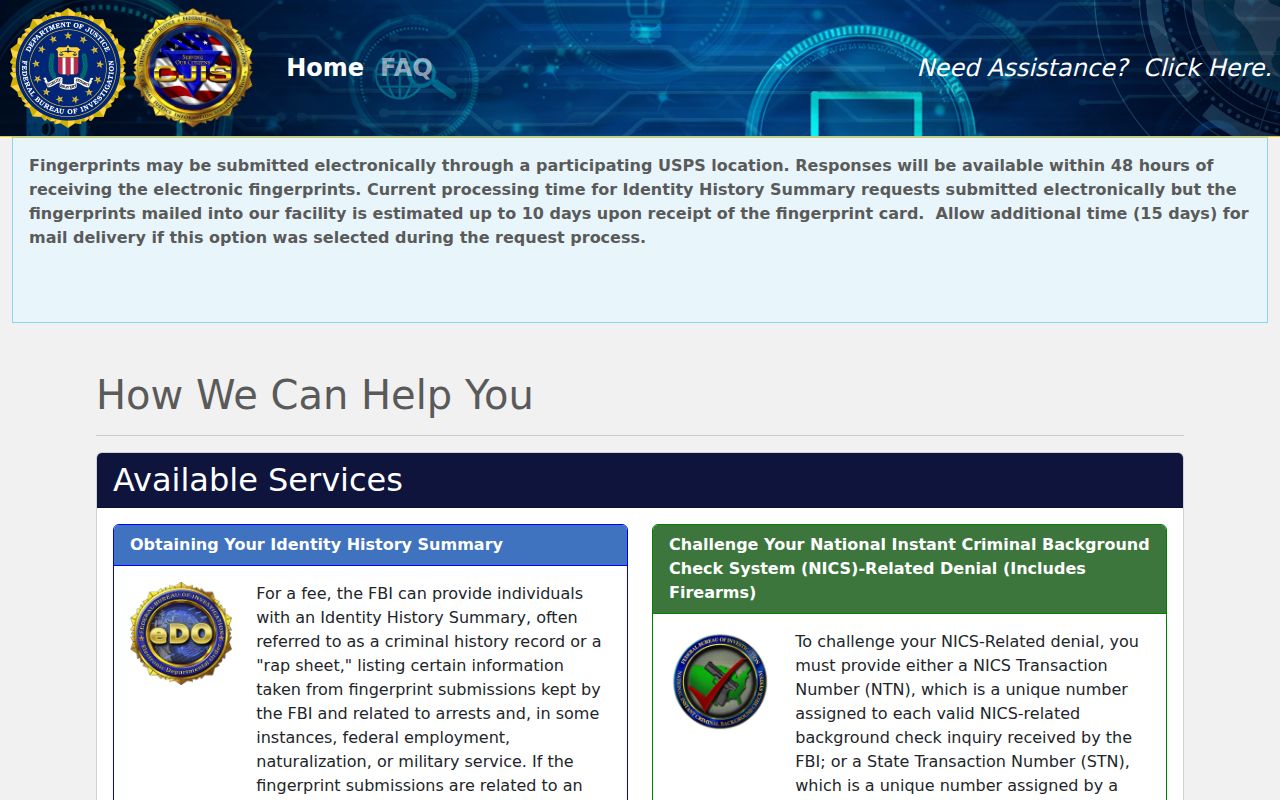
The FBI result covers records maintained by the FBI, so local court documents still must be checked with Utah courts.
Sevier County Criminal Records Corridor
Richfield has two closely placed criminal-record centers. The Sevier County Administration Building at 250 North Main Street holds the county Justice Court and the Clerk/Auditor. The Justice Court handles most class B and C misdemeanors, infractions, and traffic matters within its authority. The clerk/auditor can route county administrative GRAMA questions but is not the Utah District Court clerk.
At 835 and 845 East 300 North, the sheriff, 146-bed jail, Sixth District Court, and Juvenile Court sit next to one another. That close setting is useful, yet custody does not merge. The jail can confirm a booking; District Court can supply a felony judgment. The sheriff can address a deputy report; court staff cannot supply the full police narrative.
Sevier County Sheriff
835 E 300 N
Richfield, UT 84701
435-896-2600
Sevier County Jail
835 E 300 N
Richfield, UT 84701
435-896-2660
Sixth District Court
845 E 300 N
Richfield, UT 84701
435-896-2700
County Justice Court
250 N Main St
Richfield, UT 84701
435-893-0461
The sheriff's patrol page confirms the Richfield office and illustrates how county law-enforcement services are organized.
Call before travel because the research did not confirm stable public counter hours, payment methods, or camera rules for the sheriff's records function.
Types of Criminal Records
Sevier County criminal records answer different questions. An incident or arrest report describes what an officer alleged and observed. A booking record tracks intake, bond, custody, and release. A charging document states what a prosecutor filed. A case file shows motions, pleas, judgments, and sentences. A BCI rap sheet groups fingerprint-supported Utah events for subject access.
Warrants, corrections records, and registry entries have their own custodians. No complete public Sevier County warrant database was verified. Ask the issuing court and sheriff, and use Xchange for public docket activity. UDC holds state incarceration and adult supervision information. The Utah Sex, Kidnap, and Child Abuse Offender Registry publishes the information that current law makes public.
- Booking
- Jail intake and custody processing, not a finding of guilt.
- Disposition
- The current or final result recorded for a charge.
- Bench warrant
- A court-issued warrant, often tied to failure to appear or comply.
- Expungement
- Utah's process for sealing eligible records from ordinary public access.
Sevier County Regional Jail Records
The Sevier County Sheriff's Office says its correctional facility has 146 beds and 21 corrections deputies. It houses local inmates, people held for three counties, and some Utah Department of Corrections inmates. A name found there therefore does not prove the arrest happened in Sevier County. Check the arresting agency and case location before drawing that link.
The official inmate search is the first online channel for current custody, but it was not consistently available during research. Call 435-896-2660 when the result matters. A missing name may mean release, transfer, another booking location, or a spelling variation. For custody-change alerts, VINE is the official free notification layer documented by UDC.
After a state commitment, use the UDC Offender Search for current prison, probation, or parole status.
The state result may list legal status, offenses, sentence details, and a committing case, but the sentencing order remains with the court.
What a Sevier County Criminal Record Shows
The fields depend on the source. A BCI history starts with identity data and links fingerprint-supported arrest cycles to reported dispositions. A Sevier County court file focuses on one prosecution. A jail booking focuses on one intake. Compare the source label before comparing facts, since the same charge can be described differently at arrest and after filing.
| Name & Identifiers | Legal name, aliases, date of birth or limited descriptors, and a source-specific identification number. |
|---|---|
| Arrest / Booking Data | Arrest date, agency, intake time, preliminary charge, bond, and custody or release data when public. |
| Charges & Statutes | Each alleged or filed offense, its Utah code citation, count, and level. |
| Disposition | Dismissal, conviction, acquittal, or another recorded result for each count. |
| Sentence | Jail or prison term, fine, restitution, probation, and other court orders when entered. |
| Custody / Supervision | Current state incarceration, probation, or parole status through UDC where public. |
Read each charge separately. One count may be dismissed while another ends in conviction. A scheduled hearing is not proof that it occurred, and a financial line is not a current payoff quote.
Route Sevier County Court Records
All Sevier County felonies and class A misdemeanors go to Sixth District Court in Richfield. Most class B and C misdemeanors, infractions, and traffic matters go to a justice court. That split is the first filter when a name or case number produces no result. Salina or Aurora matters may follow a local justice-court arrangement, so the citation and court directory should control the choice.
Utah Xchange combines public district and justice court summaries. It requires a subscription, while a courthouse terminal supplies a free public-access fallback. Search by person or case number, narrow by location and dates, and compare available identifiers. Older converted files may show fewer events. Expunged cases, juvenile delinquency, and other nonpublic matters do not appear.
| Level | Maximum jail or prison range | Sevier County court |
|---|---|---|
| First-degree felony | Generally 5 years to life | Sixth District Court |
| Second-degree felony | 1 to 15 years | Sixth District Court |
| Third-degree felony | 0 to 5 years | Sixth District Court |
| Class A misdemeanor | Up to 364 days | Sixth District Court |
| Class B or C misdemeanor | Up to 6 months or 90 days | Justice court |
| Infraction | No incarceration | Justice court |
Public Access Laws
Public access in Sevier County depends on the record, not just the agency's government status. GRAMA creates Utah's request and appeal framework, but it classifies records as public, private, controlled, protected, or exempt. Court files follow judicial access rules. BCI criminal-history dissemination has a separate statutory limit. A request to the wrong office cannot override those boundaries.
Key Utah laws:
GRAMA, Title 63G Chapter 2 sets record classifications, request procedures, fees, and appeals.
Utah Code §53-10-108 limits BCI criminal-history disclosure to the subject and authorized recipients.
Utah Code §78A-2-208 supports access to court records subject to court rules.
Utah Expungement Act governs petition and automatic sealing paths.
Title 53 Chapter 29 governs Utah's offender registry and public information.
Ask for a written classification and appeal instructions if access is denied. Public status still does not make threats, identity theft, witness pressure, or misuse of registry information lawful.
GRAMA Limits Sevier County Records
The Sheriff's Office is the custodian for reports made by its deputies and for releasable jail material. Its site does not post a universal report-copy form, complete fee list, named records manager, or dependable counter hours. Call 435-896-2600, describe the record, ask for the current records officer and GRAMA method, and request a cost estimate. For immediate custody confirmation, use the jail line instead.
A focused request gives the date, time, location, agency, involved names when lawful, and any incident, citation, booking, or case number. State whether inspection or an electronic copy will work. Ask the office to separate and release nonexempt portions if part of the report is restricted. Active investigations, juvenile facts, victim information, medical details, personal identifiers, and security-sensitive content may be withheld or redacted.
BCI's GRAMA form is not a shortcut to a protected rap sheet or warrant database. The BCI homepage routes users to the separate own-record and expungement procedures.
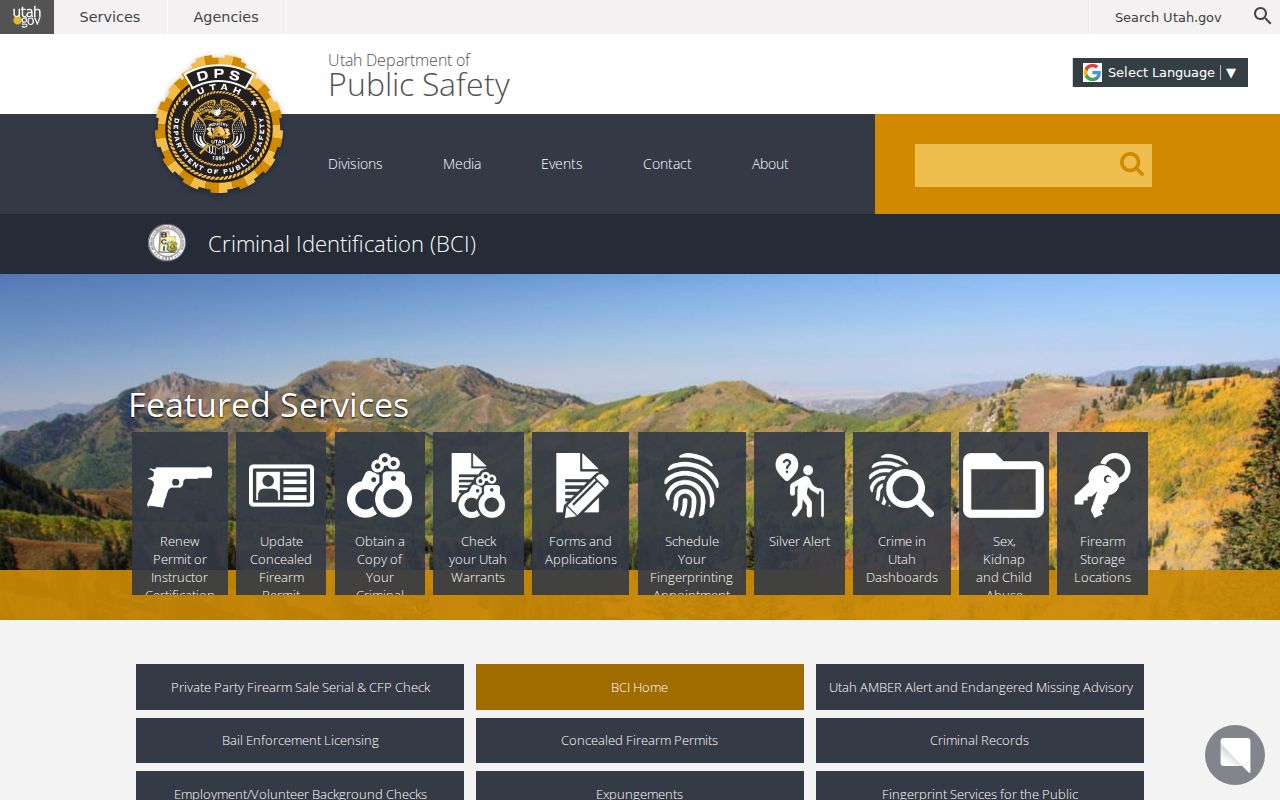
Use the dedicated BCI application when the goal is your own Utah criminal-history compilation.
Sealed, Expunged & Restricted
Juvenile delinquency does not appear in Xchange, and BCI does not include juvenile offender files in its adult subject-access product. Expunged cases also disappear from ordinary Xchange access. Redaction is different: the agency releases a record after removing protected details such as account numbers, medical facts, information about minors, or protected victim data.
For petition-based expungement, begin with BCI's Certificate of Eligibility process. The research documents a $65 application fee and fingerprint requirement. If BCI finds the matter eligible, use Utah Courts forms, file in the court that handled it, pay the current court fee or seek a waiver, and complete required notice. An objection may lead to a hearing. After the judge signs an order, certified copies must reach the agencies named in it so their systems can process the sealing.
The BCI expungement hub separates certificate work from automatic Clean Slate relief.
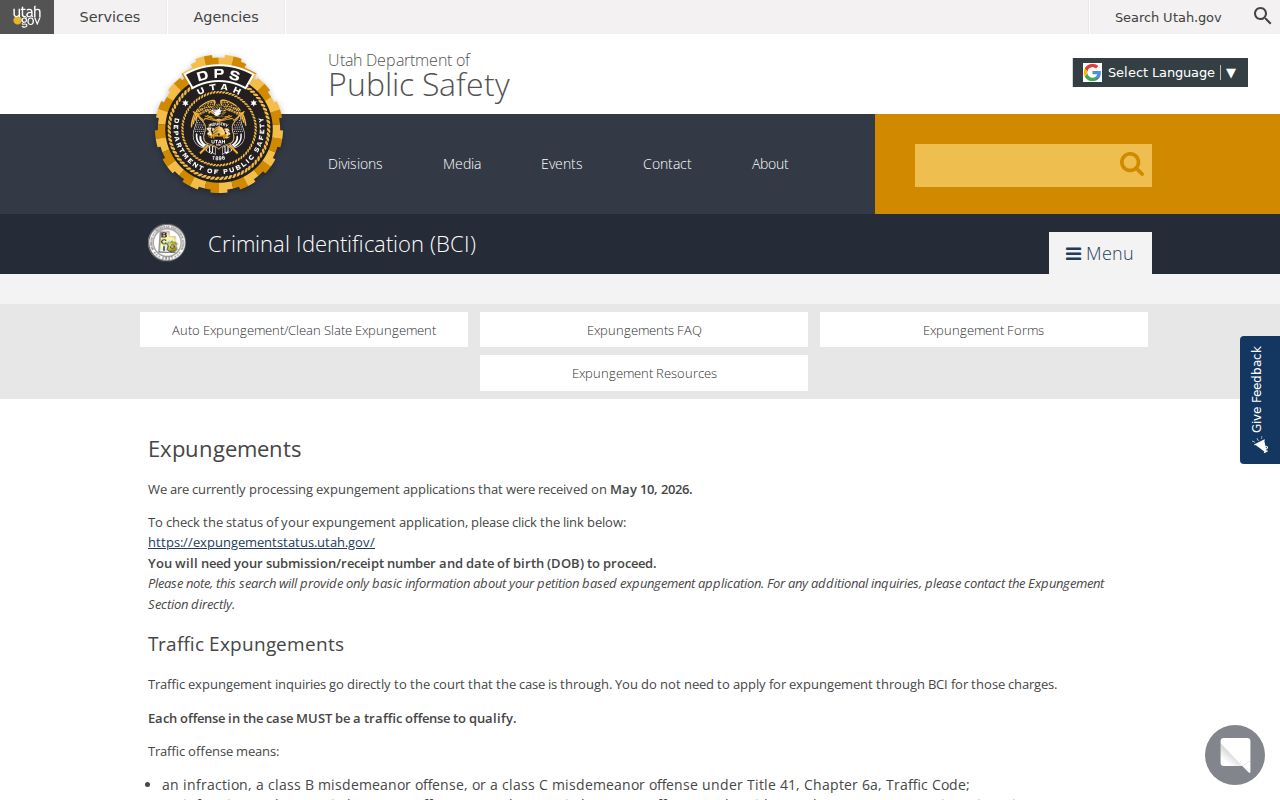
Automatic relief is not instant and does not cover every outcome. A person who still sees a cleared case should obtain their own BCI history and confirm that each named agency received the order.
Sevier County Custody Record Layers
County custody, Utah supervision, and federal custody require three different searches. Sevier County Jail covers its current detainees and contract population. UDC Offender Search covers public state incarceration, felony probation, and parole information. The Utah Board of Pardons and Parole holds hearing and action information tied to parole authority. Probation notes, treatment data, tests, home addresses, and officer-safety details are not presumed public.
The Utah Board of Pardons and Parole publishes its official hearing and agency resources.
Compare any board or UDC entry with the court's sentencing order. An old docket event alone does not prove an active violation.
Federal custody is separate. The Federal Bureau of Prisons locator searches by name or federal register number.
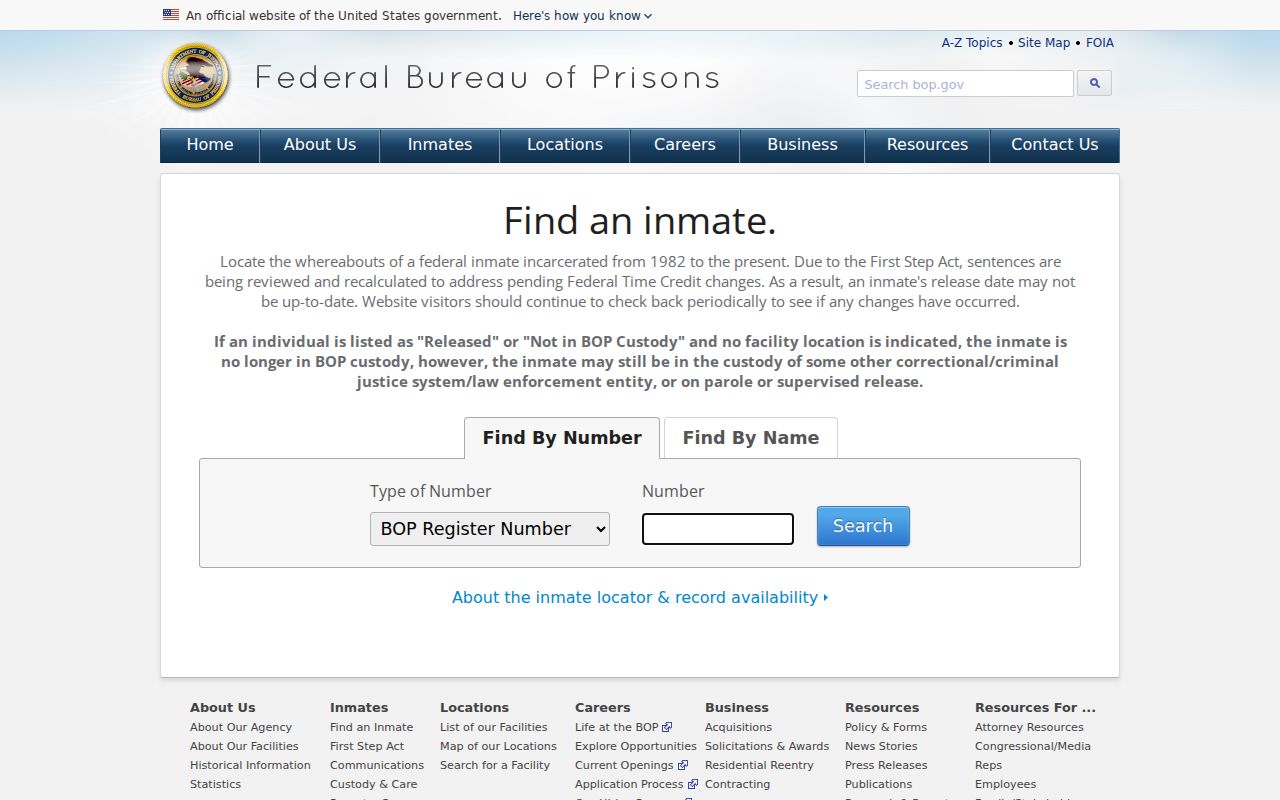
PACER, not Xchange, holds federal case dockets. The PACER service requires an account and uses its current federal fee schedule.
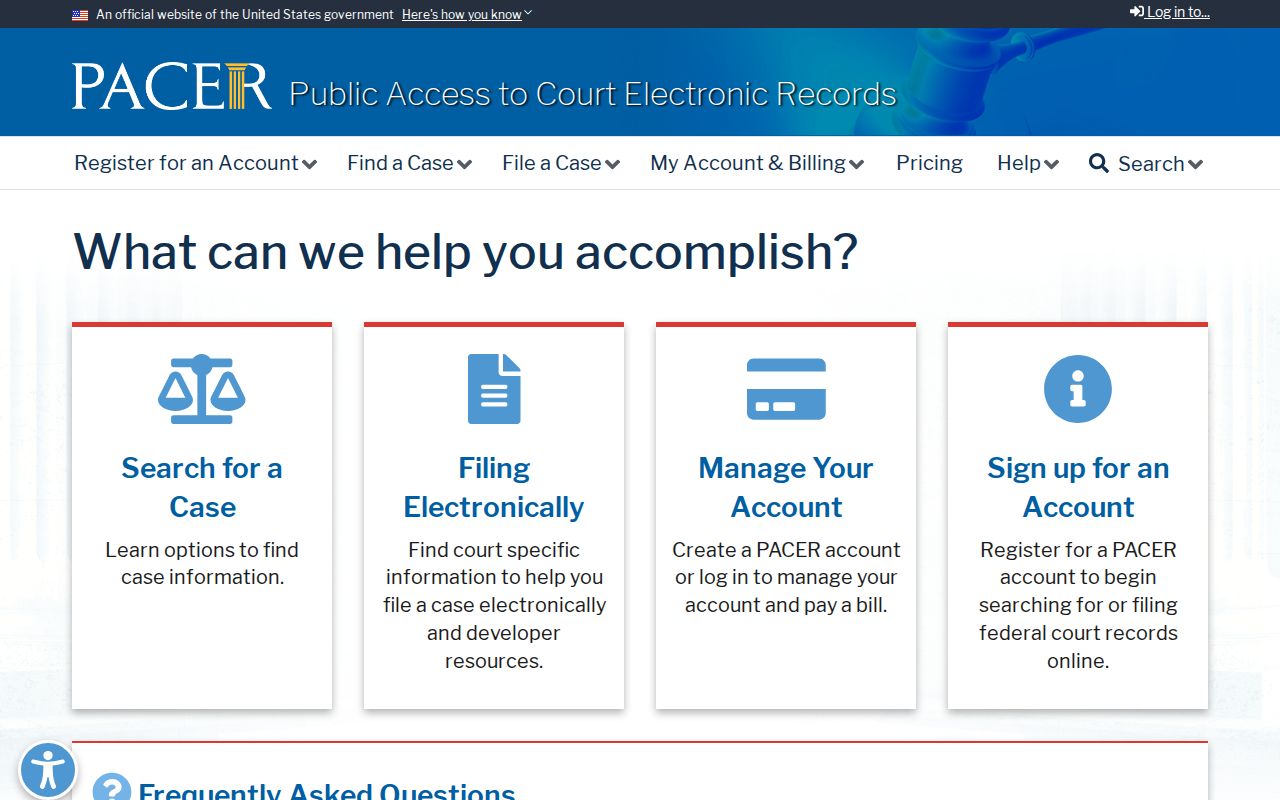
Neither federal system contains the Sevier County jail roster or Utah state case summaries.
Criminal Records by City in Sevier County
Richfield, Salina, and Monroe are Sevier County's three largest incorporated cities. City altitude matters because an officer report stays with the agency that wrote it, even when booking later occurs at the county jail. Richfield Police and Salina Police maintain their city-originated reports. For Monroe-area events, identify whether the city, sheriff, or another agency responded before choosing a GRAMA channel.
Richfield Criminal History
8,478 estimated residents in 2025 · city police, county jail, and both main court counters
Salina Criminal History
2,660 residents in the 2020 Census · city police, highway, jail, and court routing
Monroe Criminal History
2,256 residents in the 2020 Census · agency and city-limit checks before requesting a report
All three city paths can lead to the county jail and Sixth District Court, but that does not transfer ownership of the original police report.
Sevier County Drug Court History
Sevier Drug Court began in 2000. Utah Courts describes it as the Sixth District's oldest adult drug court. That local track is a useful reminder that a docket may include treatment-focused hearings and orders in addition to the standard path toward plea, trial, and sentence. Read the filed events and final disposition instead of guessing from the charge name.
A recent Court Connect town hall in Richfield also focused on court roles, online filing, self-help, and public access. Those efforts do not create a separate case database. Xchange and the clerk remain the official paths for a Sevier County criminal court record.
The Utah Courts expungement page shows how court forms and filing steps fit after eligibility review.
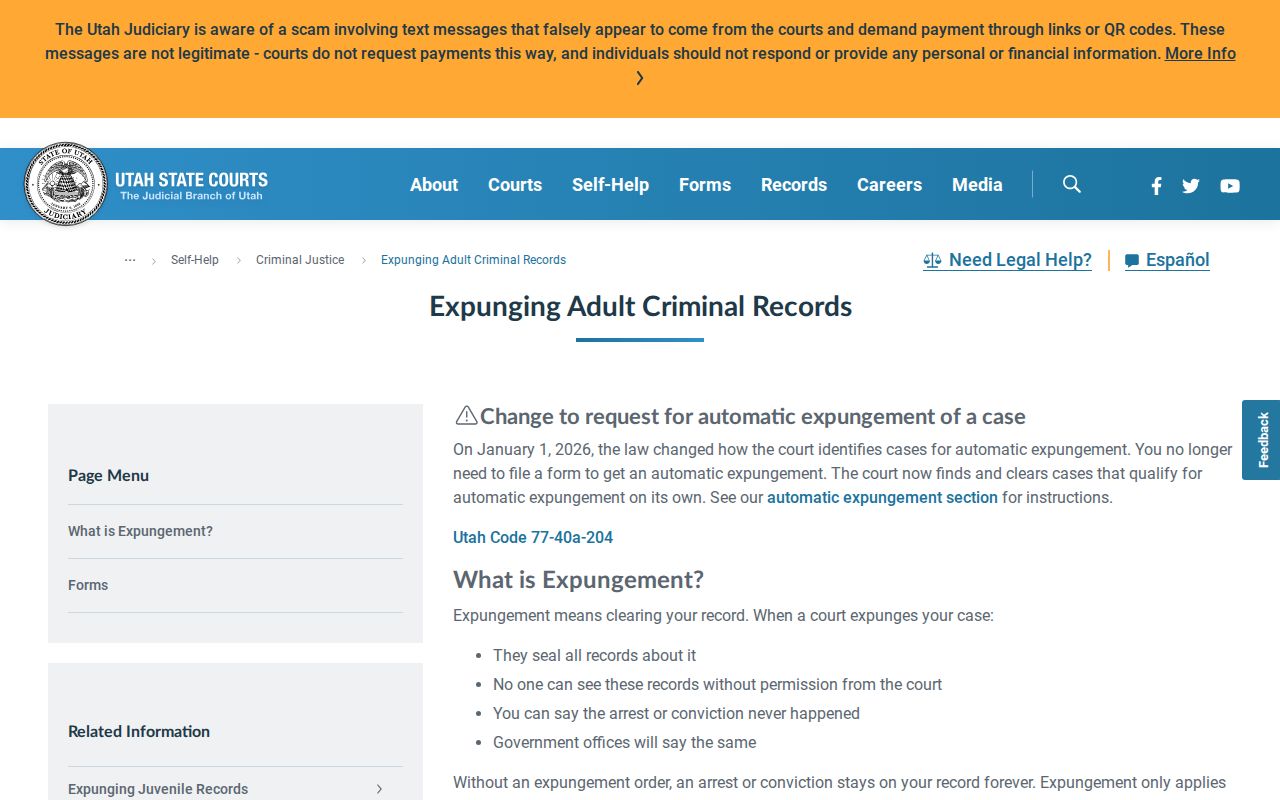
Use the court that handled the original matter and confirm the current form and filing fee before submission.